

Blending Spanish-style architecture with a story from Vietnam’s last royal dynasty, the Phi Anh Villa continues to captivate tourists in Lam Dong.
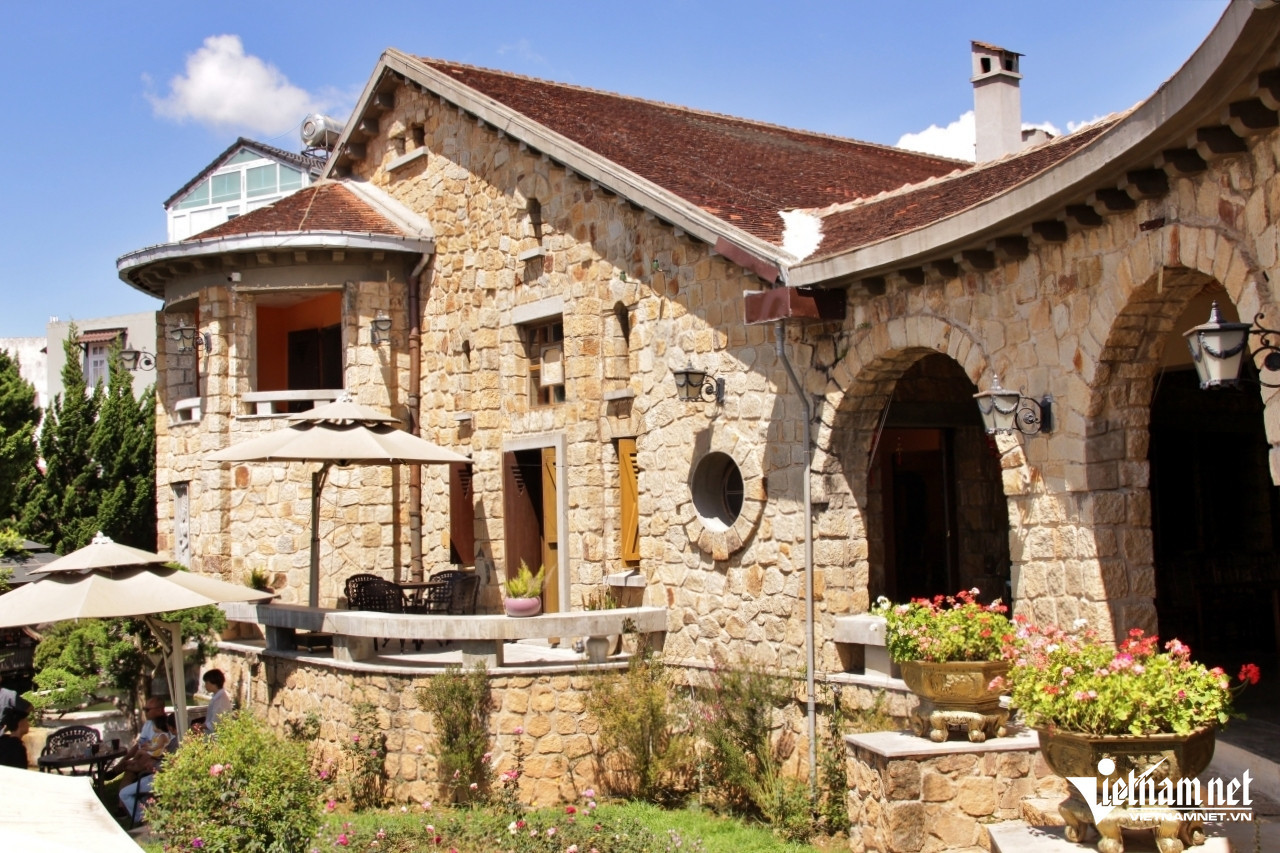
The historic villa stands on Quang Trung Street in Lam Vien Ward, Da Lat, Lam Dong Province. Built from large granite blocks, the striking structure continues to attract the attention of visitors passing through the area.
Known locally as the Stone Villa, the building features two above-ground floors and a basement. The two main sections are connected by a semi-circular corridor, while its walls, measuring between 60cm and 80cm thick, are constructed entirely from granite stone.
Numerous windows of varying sizes and shapes surround the building, including square, rectangular, circular, arched and cross-shaped designs that contribute to its distinctive appearance.
Today, the villa’s grounds have been converted into a restaurant and café complex, attracting visitors who come to dine, relax and admire the scenery.
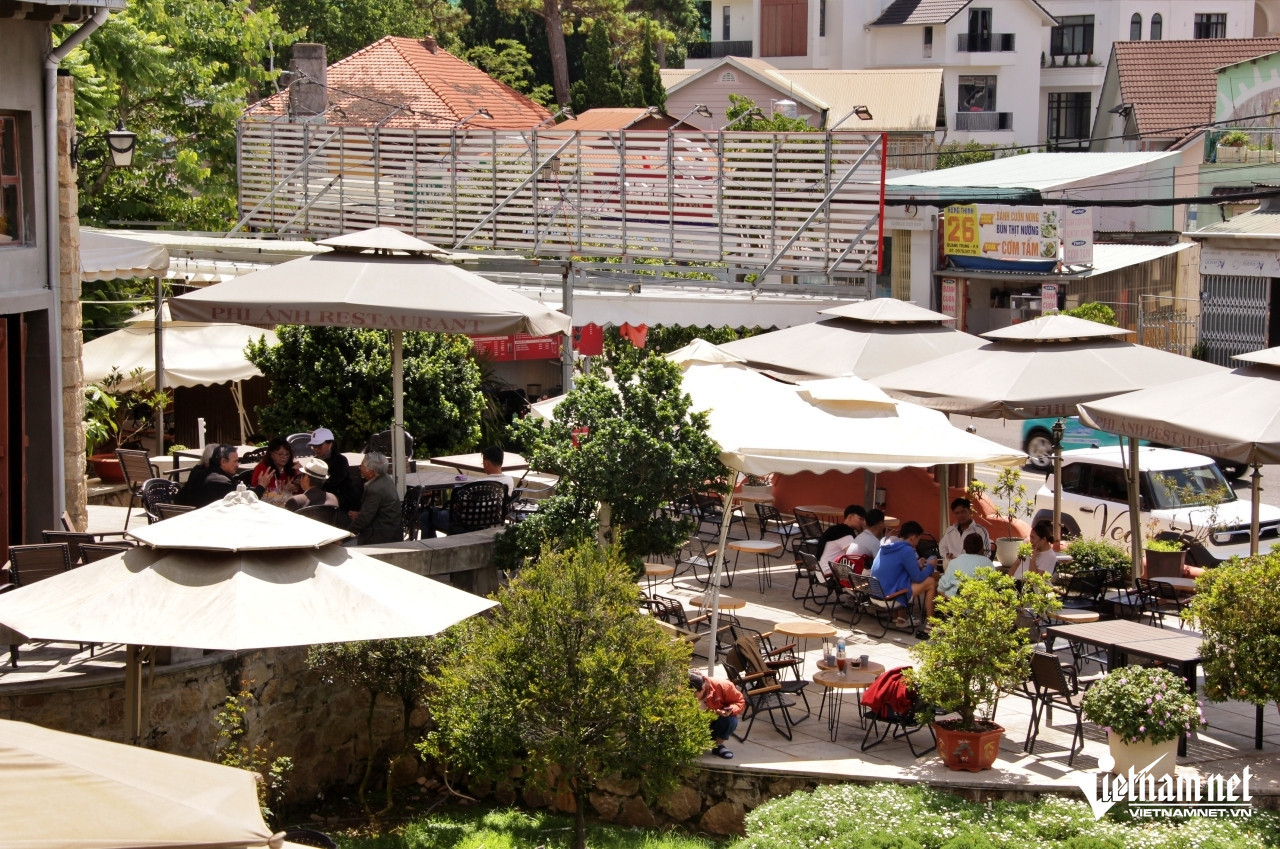
While meeting friends at the villa, Le Van Muu, 75, a resident of Lam Vien Ward, said he has maintained a close connection with the historic property for decades. Whenever he has free time, he returns to enjoy a drink and take in views of the city.
“About 60 years ago, I lived in the villa’s basement. My family was struggling financially at the time, and my mother moved here and took on various jobs around the property,” Muu recalled.
“During those years, I heard many stories and legends associated with the villa, including the account that it was a gift from Emperor Bao Dai to Phi Anh, an unofficial consort of the former emperor.
“According to a story passed down from a former steward who once served Bao Dai, the emperor initially sent Phi Anh a sum of money after they became involved. She felt the gesture lacked sincerity and became upset.
“As an apology, Bao Dai purchased this villa and presented it to her. Since then, many people have referred to the property as Phi Anh Villa.”
A popular destination for visitors
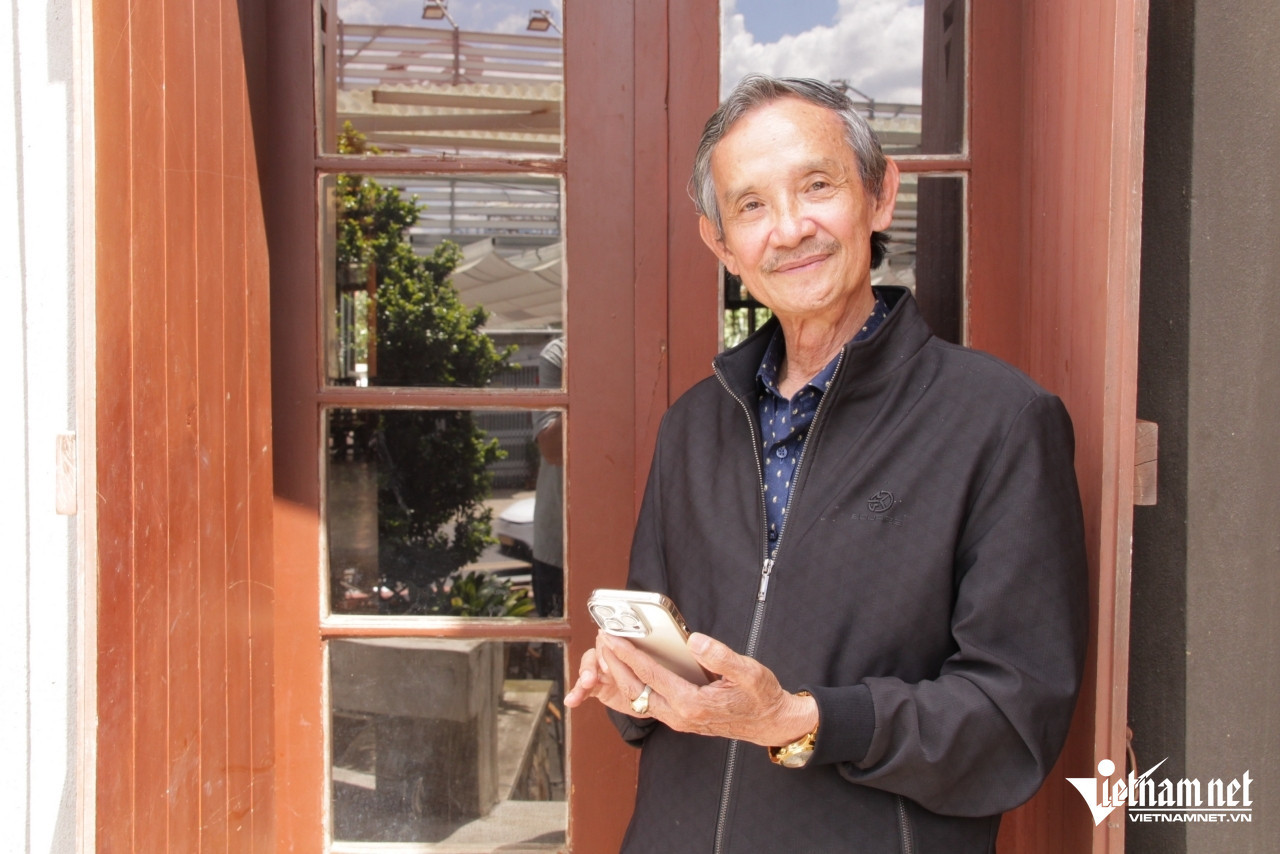
Tinh, the current manager of the villa, said the property was built in 1928 in the Basque architectural style of Spain. To this day, it remains the only Spanish-style villa of its kind in the former Da Lat area.
In 1945, the state took over the building. It later served various purposes, including a maternity facility and a residential collective housing complex. In 2004, a Hanoi-based company leased the property for commercial operations.
According to Tinh, the company preserved the villa’s original architecture and interior features, carrying out only repainting work while adding several auxiliary structures to support business activities.
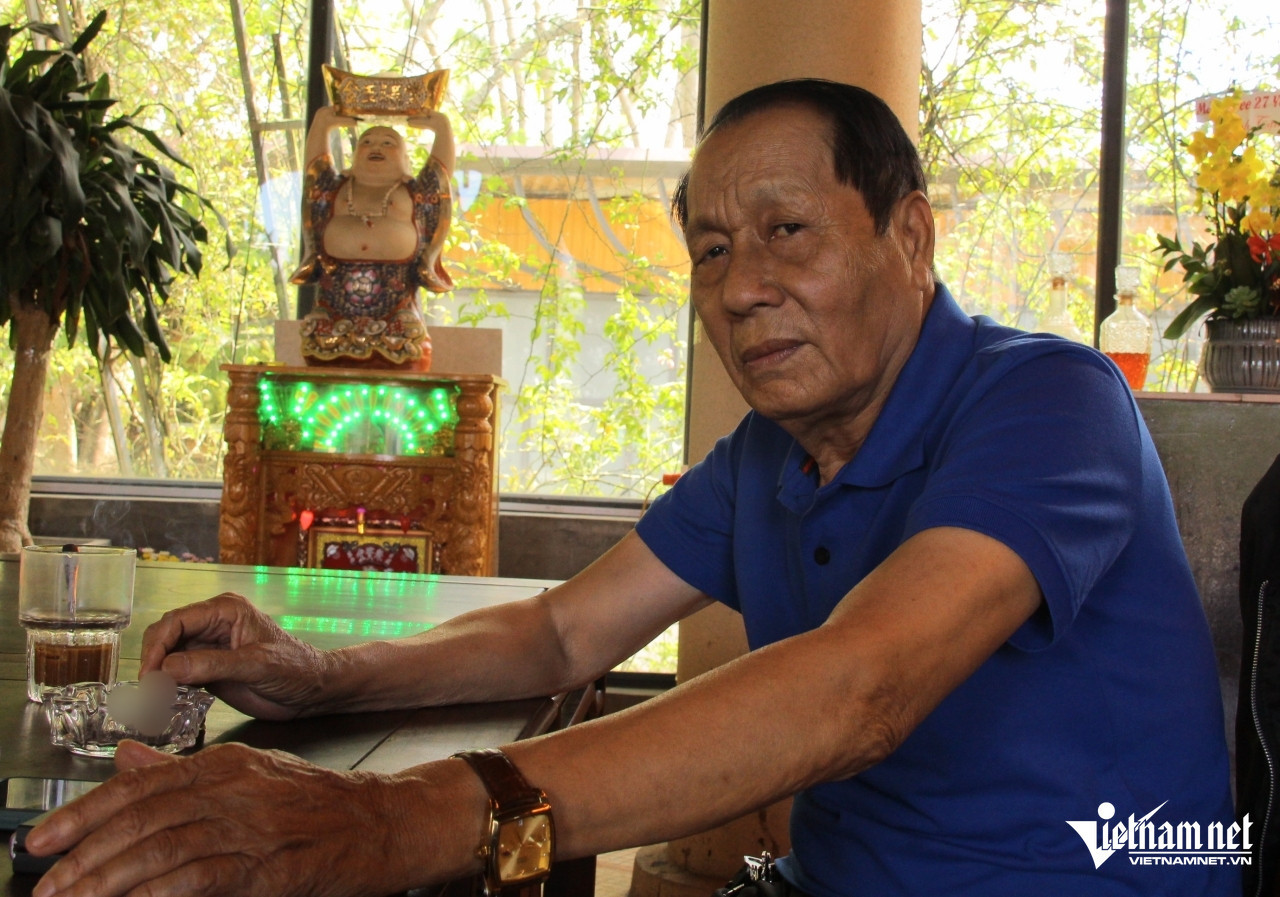
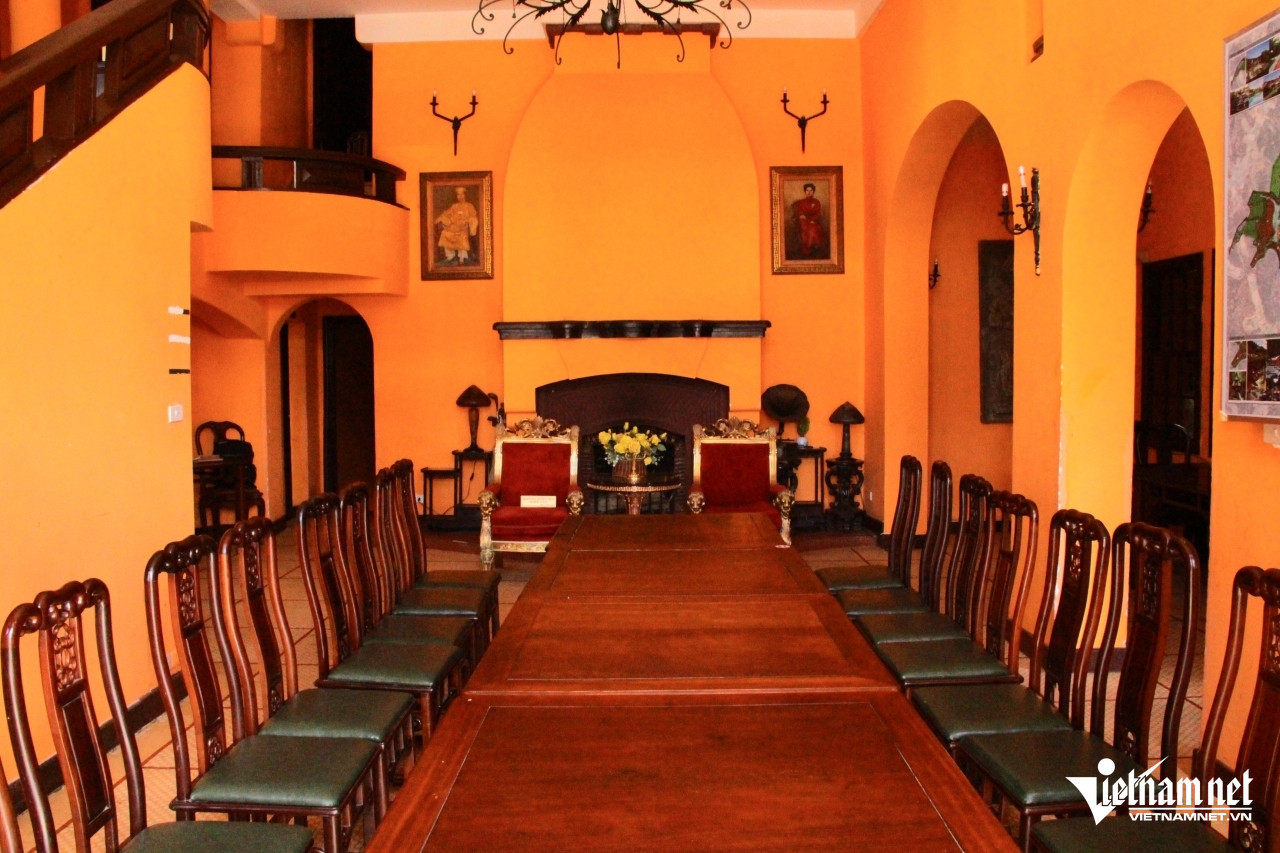
Tinh also confirmed accounts that Bao Dai purchased the villa in 1940 and gifted it to Phi Anh.
“Bao Dai and Phi Anh lived here together for a period of time. They had a daughter and a son, both of whom were born in this villa,” he said.
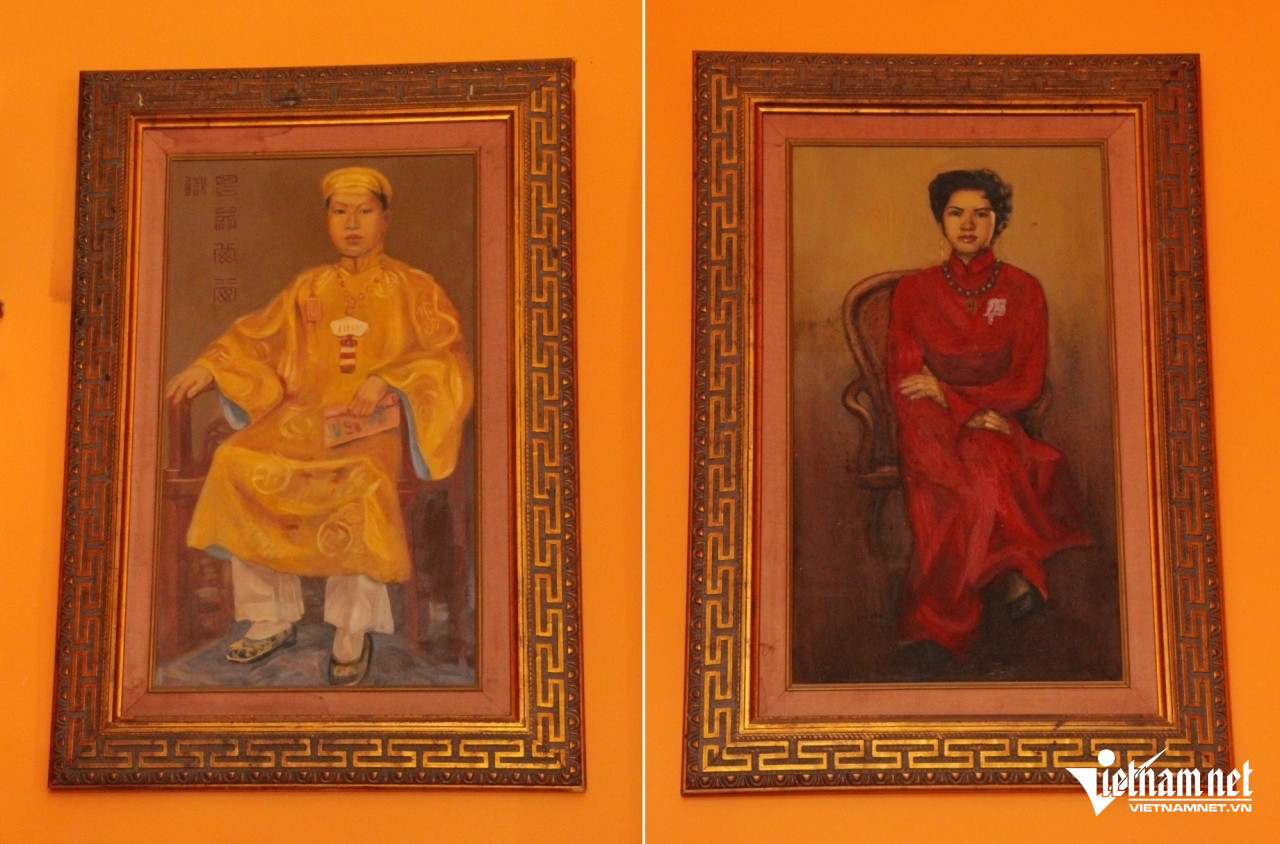
The son of Bao Dai and Phi Anh, Nguyen Phuc Bao An, born in 1951, currently lives overseas. Last year, he returned to Vietnam with his family and visited the villa where he was born before continuing his journey to Hue.
Since being adapted for tourism and hospitality purposes, the villa has welcomed numerous visitors from South Korea, Malaysia, Singapore and other countries. South Korean tourists make up the largest group and are often particularly impressed by the villa’s distinctive architecture and historical associations.
Today, both tourists and local residents can visit the property, take photographs and learn about its history free of charge.
Ha Nguyen
