

Five years after launching a small apple snail farm, a Tay couple in Tuyen Quang has transformed their lives, building a new home and securing a brighter future for their children.
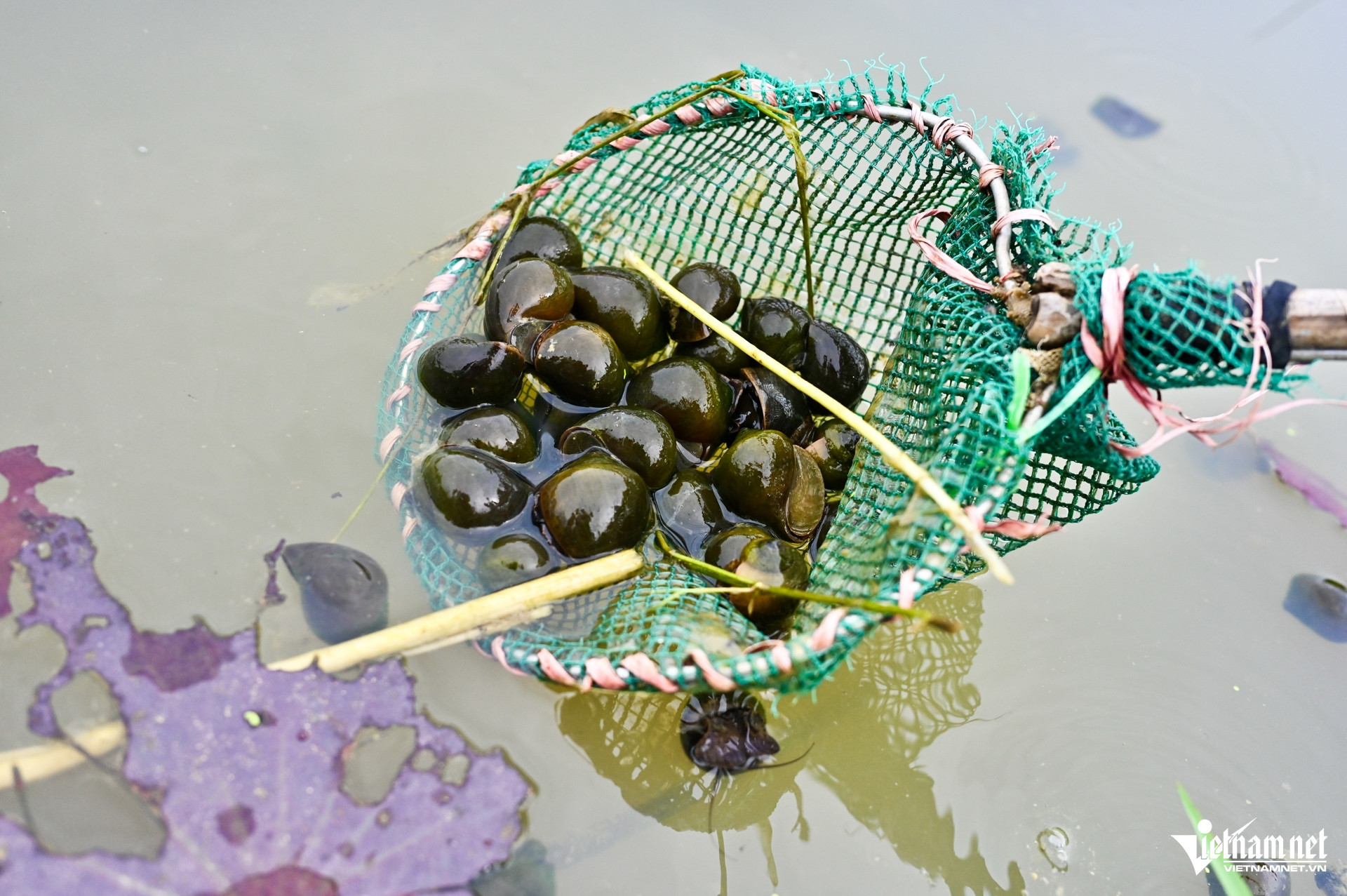
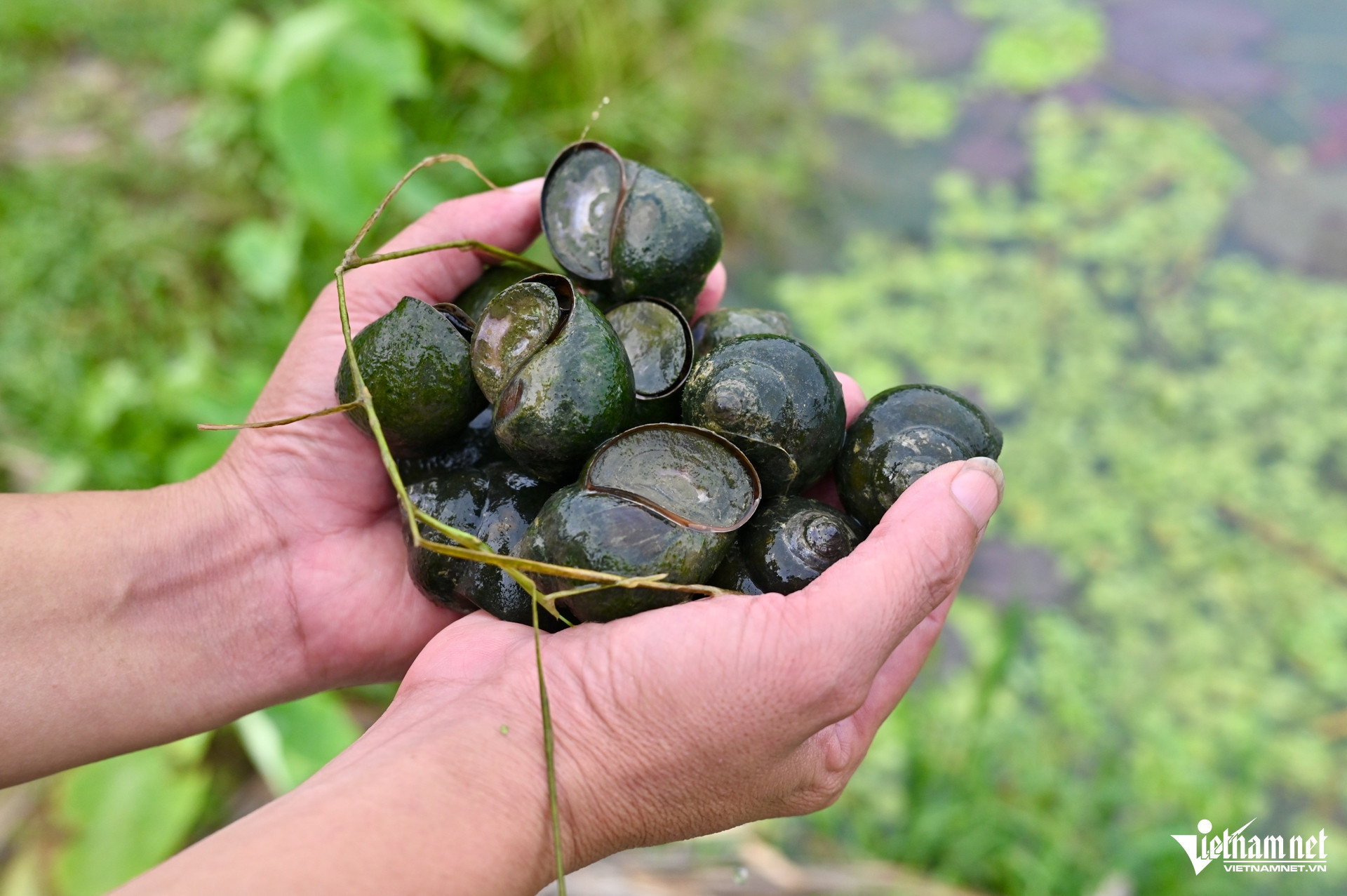
Five years after borrowing just VND7 million (US$267) to buy 10 kilograms of apple snail eggs, Ma Cong Ngoc, a member of Vietnam’s Tay ethnic minority, and his wife have transformed their lives through aquaculture.
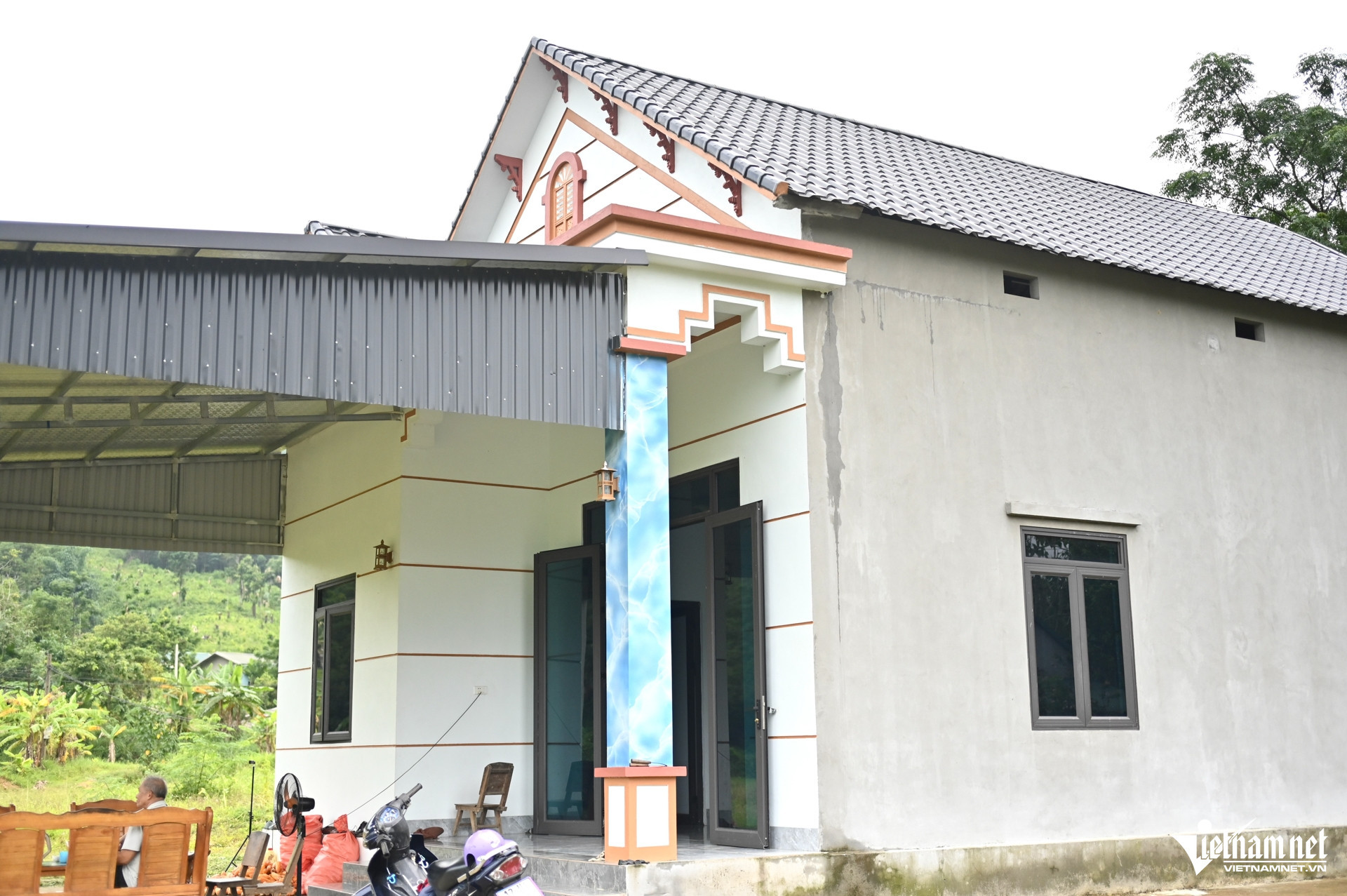
The couple has escaped poverty, built a new home and secured enough income to support their children’s education.
A modest start
Ngoc, born in 1990, grew up in a poor Tay family in Lang Chang Hamlet, Trung Ha Commune, Tuyen Quang Province, a remote mountainous area in northern Vietnam.
After completing his military service between 2009 and 2011, he returned home and worked a series of temporary jobs. Despite his efforts, the family’s financial situation remained difficult.
In 2019, while still officially classified as a poor household, the couple decided to raise apple snails in their family fishpond.
To finance the venture, they borrowed VND7 million (US$267) to purchase 10 kilograms of snail eggs.
Ngoc traveled to successful apple snail farms in Kim Binh Commune to learn farming techniques while studying additional materials on his own.
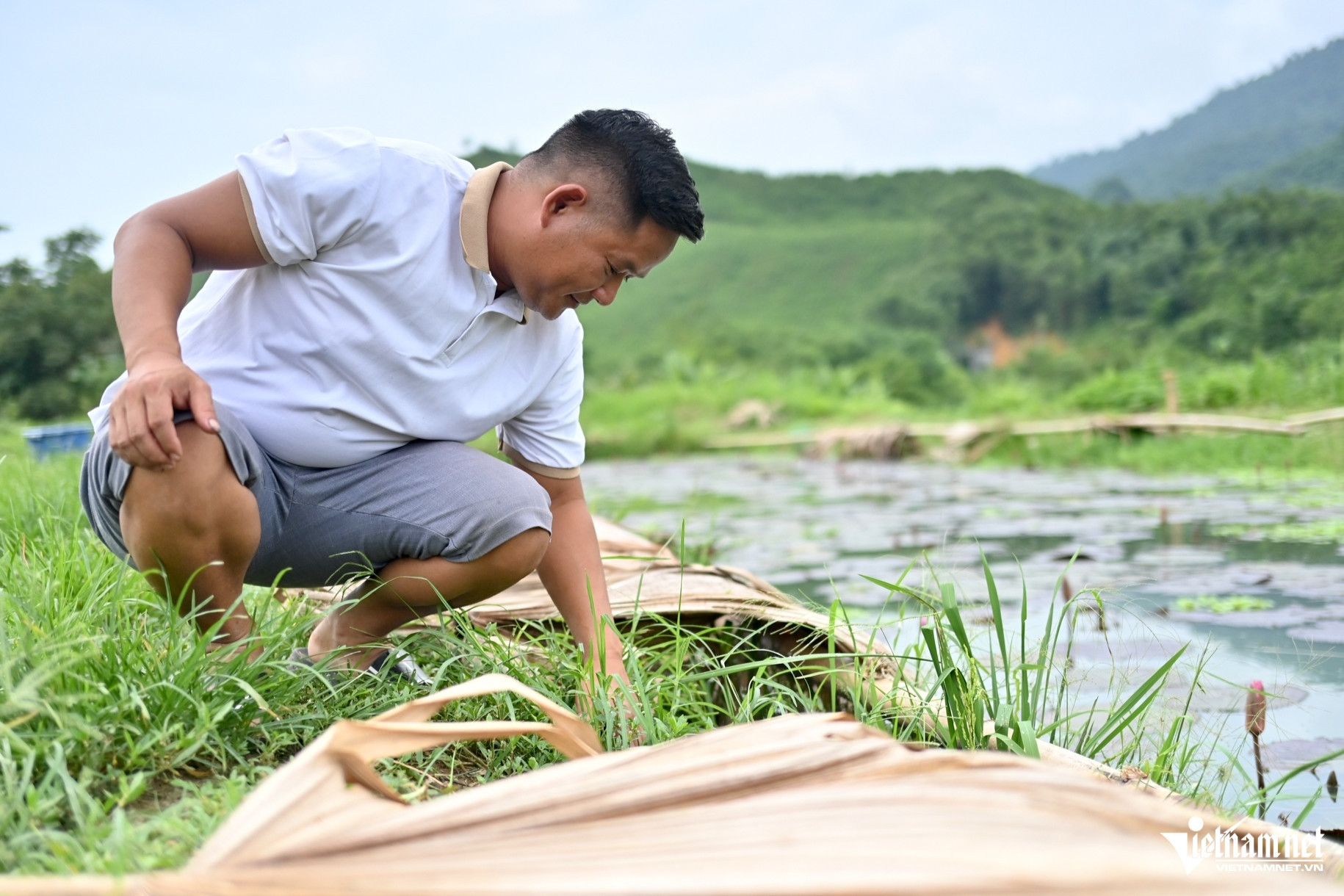
He said the family’s location offered ideal conditions for raising snails. Fresh water flowed naturally into the ponds from nearby streams, while feed such as elephant ear plants, wild taro, cassava leaves and duckweed grew abundantly around the area.
“With the little capital we had at the time, apple snail farming was the most practical option because it required very little investment in infrastructure or feed,” he said.
Learning from failure
The couple’s first attempt ended in disappointment.
After just two months, every snail died because temperatures dropped sharply during the mountainous winter, while the inexperienced farmers lacked the technical knowledge needed to protect them.
Rather than giving up, they decided to try again.
Ngoc bought another 20 kilograms of juvenile snails and restarted production.
About five months later, the family harvested its first commercial crop, although yields remained modest.
Determined to improve, Ngoc devoted more time to understanding snail behavior, pond management and disease prevention.
He said preparing ponds before each production cycle became one of the most important steps for eliminating harmful bacteria and reducing disease risks.
As experience accumulated, survival rates improved significantly and the family steadily expanded its ponds.
One of Ngoc’s biggest achievements was mastering techniques that allow the snails to survive the harsh mountain winter – a major challenge for farmers in northern Vietnam.

A turning point
The family’s breakthrough came in 2022, when they successfully produced commercial snails, breeding stock and snail eggs.
That year, the business generated more than VND150 million (US$5,700) in revenue.
“It was an amount we never even dreamed of earning,” Ngoc recalled.
By 2024, the family had officially escaped poverty.
A year later, they built a spacious permanent home.
“We can now fully support our children’s education. My greatest hope is that they will be able to attend university,” he said.
Building a sustainable business
According to Ngoc, clean water free from pollutants and agricultural chemicals is essential for successful apple snail farming.
A production cycle takes around five months before the snails reach market size, followed by another two months for breeding.
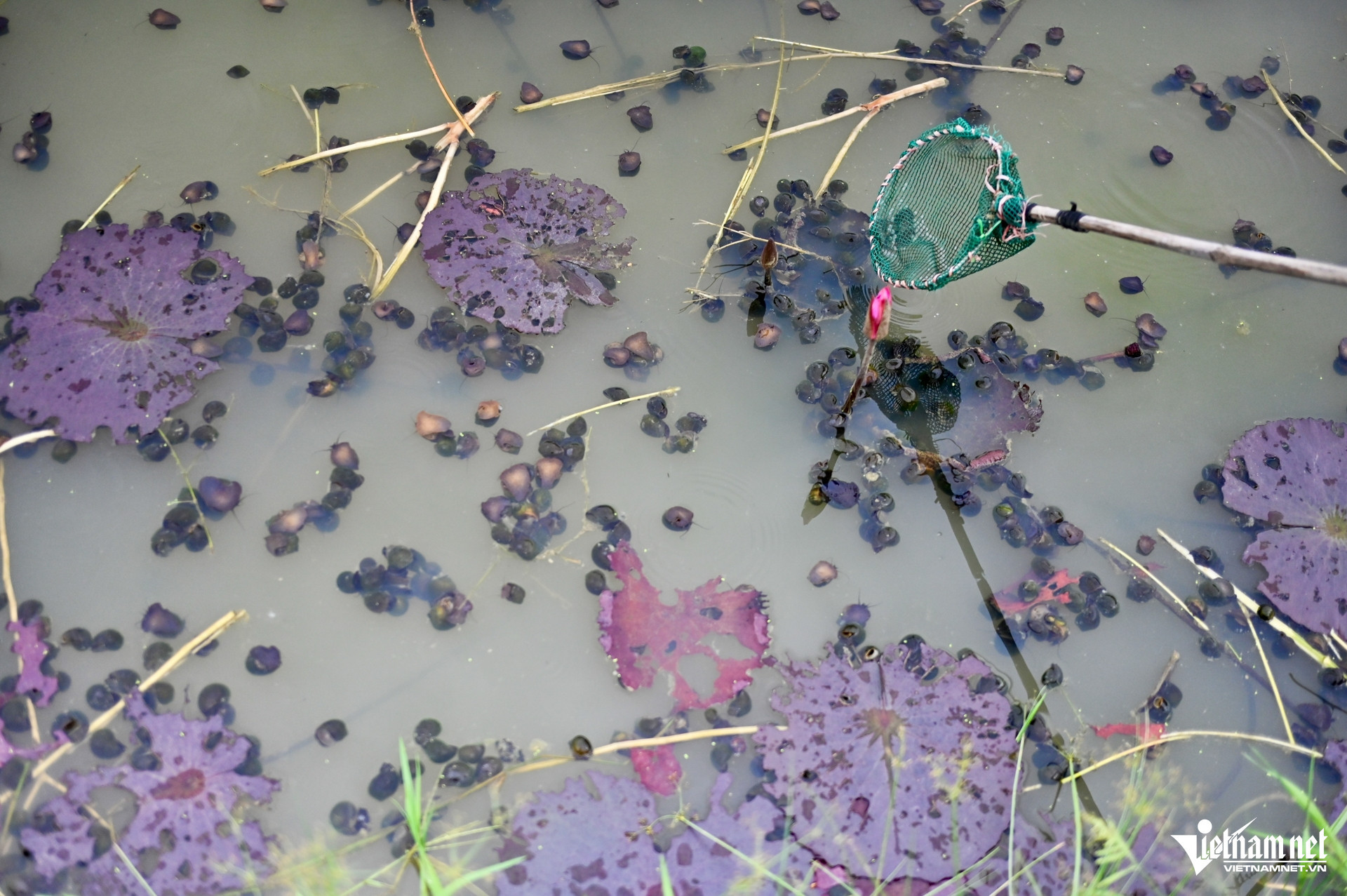
The snails’ diet consists mainly of vegetables – including elephant ear plants, wild taro, cassava leaves and duckweed – which account for about 70% of their feed, with commercial feed making up the remainder.
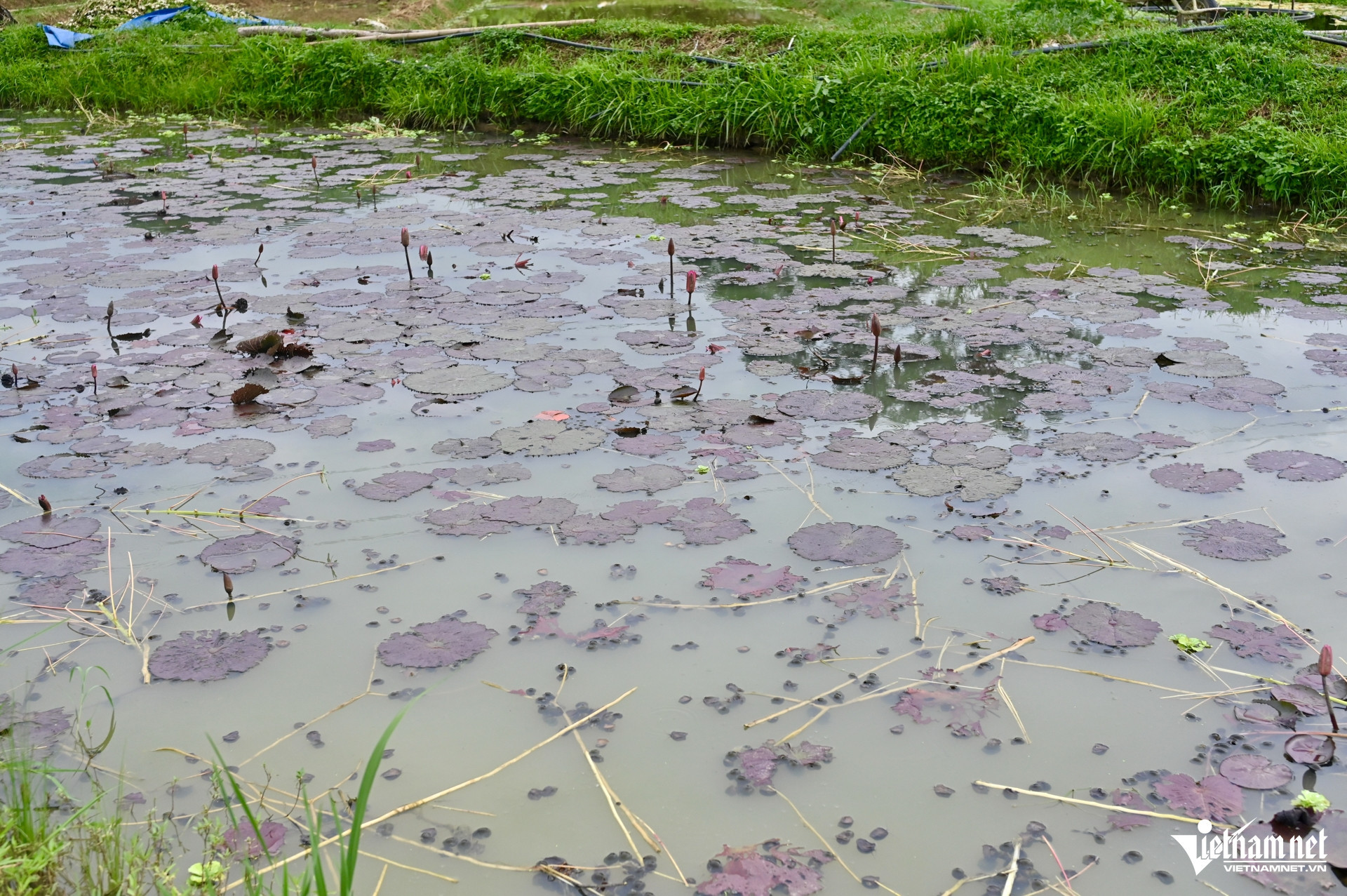
The family also grows water lilies to provide both food and shade.
To prevent disease, the ponds are cleaned regularly and treated periodically with lime.
Water depth is maintained between 50 and 80 centimeters.
During winter, when the snails hibernate, farmers either drain the ponds so the snails can burrow into the mud or cover the surface with dense water hyacinths to retain warmth.
Multiple sources of income
Today the farm generates around VND150 million (US$5,700) annually from commercial snails alone.
Prices are highest during the cold season, from January to March, reaching around VND200,000 (US$7.60) per kilogram, before falling to VND60,000-70,000 (US$2.30-2.70) during the summer.
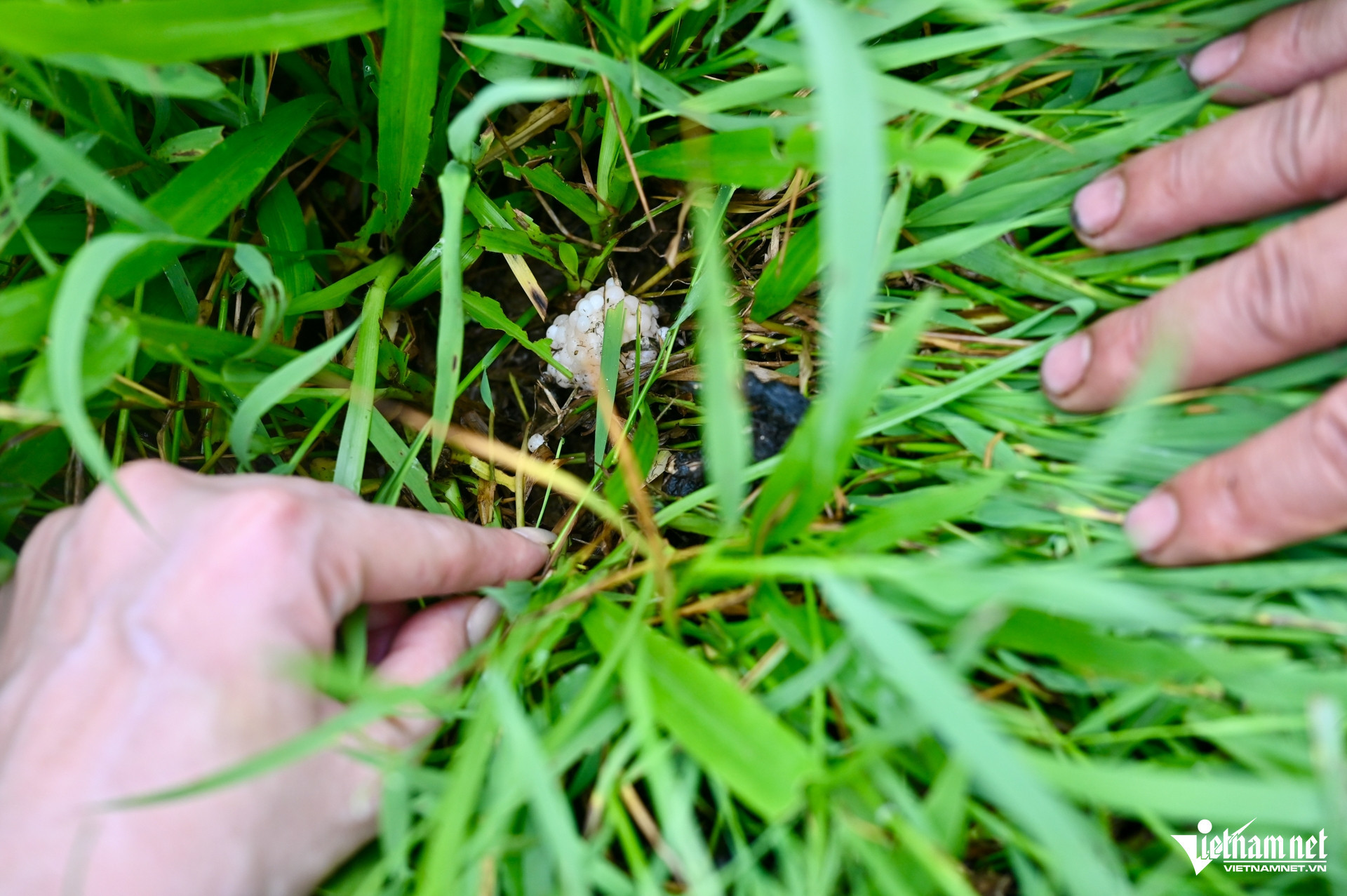
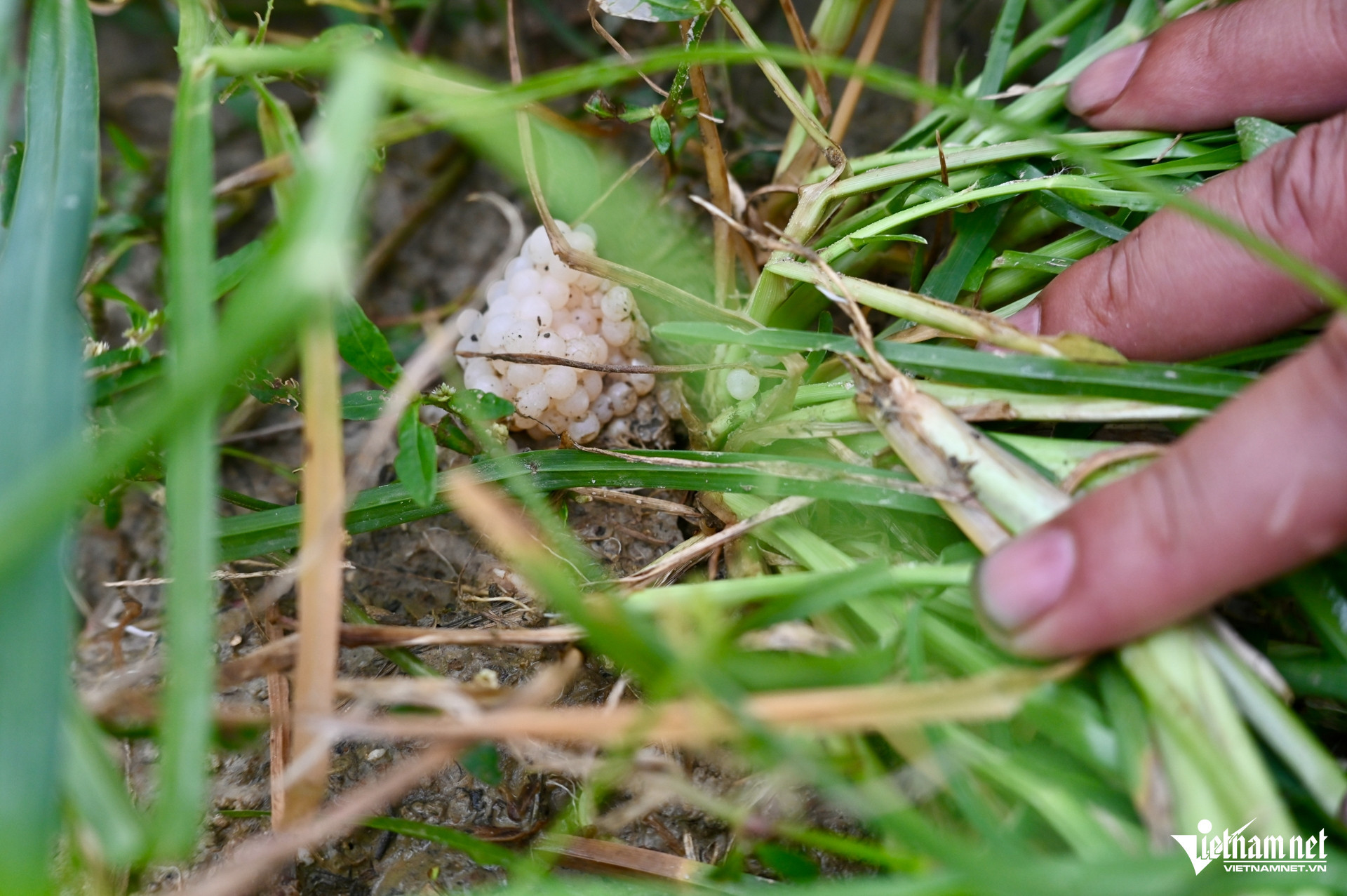
The family also earns substantial income from selling snail eggs and breeding stock.
The egg harvest lasts about three months each year, producing an average of 4 kilograms per day, which sell for around VND400,000 (US$15.30) per kilogram.
Juvenile snails command approximately VND1.2 million (US$45.90) per kilogram.
“Everything we produce is sold immediately,” Ngoc said.
Commercial snails are shipped primarily to markets in Tuyen Quang, Ninh Binh and Hai Phong.
“Our snails are known for being plump, producing little slime and having no muddy smell, so customers really like them,” Ngoc added.
Looking ahead, the family plans to expand production.
All four Ngoc brothers now raise apple snails, helping improve the economic conditions of the extended family.
Sharing success
Despite the challenges of farming in a remote mountainous area with difficult transportation, Ngoc says his military background has helped him persevere.
“Like any other job, building a livelihood in the mountains is never easy, but I’ve always tried to uphold the determination and resilience I learned as a soldier,” he said.
Ngoc is now a member of the Trung Ha Veterans Association.
According to Ha Phuc Tuyen, chairman of the association, Ngoc not only operates a successful business but also willingly shares his experience with other farmers.
More than 20 households have visited his farm to learn apple snail farming techniques and purchase breeding stock.
“With his creativity, perseverance and hard work, Ngoc has become one of the commune’s most outstanding examples of rural economic development,” Tuyen said.
Linh Trang – Thu Hien
